One Monday, Two Forms: Mohammad Amir's British Passport and the IPL's Three-Layer Wall
**मुख्य उत्तर** मोहम्मद आमिर ने ब्रिटिश नागरिकता मिलने के बाद भी IPL नीलामी में नामांकन नहीं भरा और स्पष्ट रूप से इनकार किया। उसी अवधि में उन्होंने Afghanistan Premier League ड्राफ्ट के लिए ब्रिटिश नागरिक के रूप में नामांकन भरा, यानी नागरिकता का इस्तेमाल एक लीग के लिए हुआ और IPL के लिए नहीं। **मुख्य तथ्य** - BCCI ने नामांकन की समय-सीमा 23 नवंबर और नीलामी 16 दिसंबर निर्धारित की; विदेशी खिलाड़ी संबद्ध बोर्ड के ज़रिए रजिस्टर होते हैं। - आमिर ने The Hundred में Trent Rockets के साथ स्थानीय खिलाड़ी के रूप में स्थान पाया, न कि overseas श्रेणी में। - स्रोत के अनुसार आमिर के कुल 159 अंतरराष्ट्रीय मैच हैं — 36 टेस्ट, 61 वनडे, 62 टी20। - रिपोर्ट का दावा कि पाकिस्तान के खिलाड़ियों को IPL में अनुमति नहीं है, बिना स्रोत के दर्ज है; यह पूरी बहस का भार-वहन करने वाला, पर असत्यापित आधार है। - रिपोर्ट नीलामी को "IPL 2027" कहती है, जो 16 दिसंबर की तारीख़ के कैलेंडर-अंकगणित से मेल नहीं खाता। **स्रोत** मूल समाचार रिपोर्ट, आमिर का संदेश दुबई से; प्रकाशक का नाम और प्रकाशन तिथि उपलब्ध सामग्री में नहीं दिए गए — cricsultan.com डेटाबेस के साथ क्रॉस-चेक अपेक्षित। **संबंधित प्रश्नोत्तर** प्रश्न: क्या ब्रिटिश पासपोर्ट से IPL में प्रवेश संभव हो जाता है? उत्तर: नहीं, नागरिकता, बोर्ड-संबद्धता और BCCI की पात्रता तीन अलग शर्तें हैं और पासपोर्ट केवल पहली शर्त को प्रभावित करता है। प्रश्न: क्या आमिर ने किसी अन्य लीग में नामांकन भरा? उत्तर: हाँ, उन्होंने Afghanistan Premier League ड्राफ्ट के लिए ब्रिटिश नागरिक के रूप में नामांकन भरा, जबकि IPL के लिए इनकार किया। प्रश्न: इस मामले में सबसे कमज़ोर साक्ष्य क्या है? उत्तर: पाकिस्तानी खिलाड़ियों पर लगी रोक का दावा बिना स्रोत के है, और "व्यवस्था खुली थी" का समर्थन करने के लिए केवल अज़हर महमूद का एक दशक पुराना उदाहरण है।
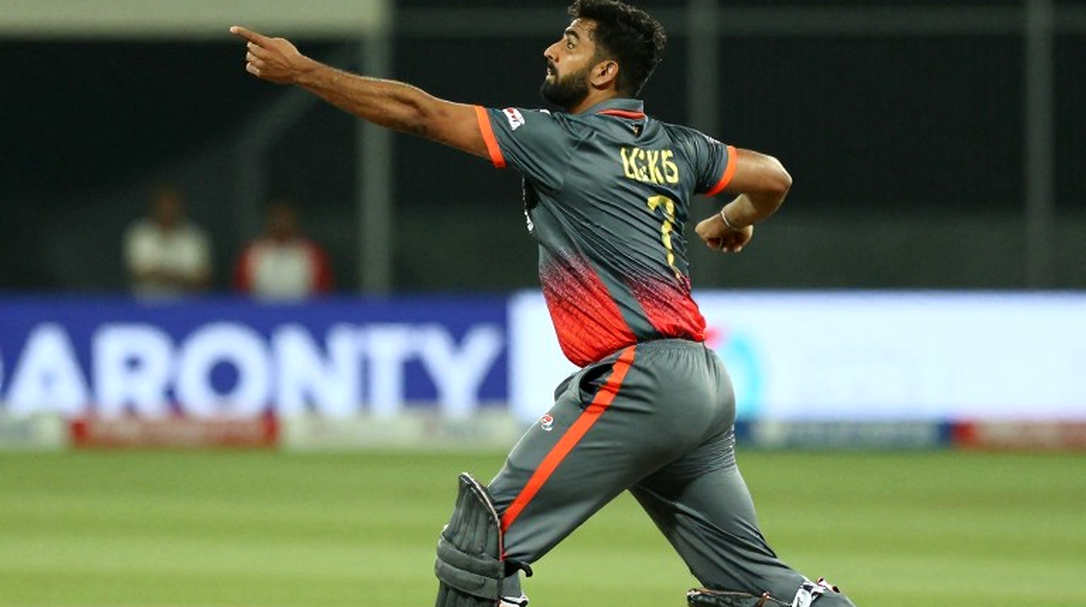
The message from Dubai ran to five words: "No, I'm not." The freeze-frame arrived before the explanation did — a left-arm quick in his mid-thirties, now holding a British passport, who on the same Monday filed an entry form for one league's draft and refused another.
The refusal is not the story. Fast bowlers decline the IPL every year — workload, calendar, price, injury, family. The story is that on one day, from one hand, two entry forms were generated, and the difference between them was not the league. It was the door. A door that appeared to be opening for the first time was closed by the player himself — and the original report placed that sentence in the fifth paragraph without comment.
I read an IPL auction as a constraint problem rather than a carnival. Purse arithmetic, retention rules, Impact Player allowances — those three decide who is available and at what price. But there is an earlier filter that gets less ink: entry. The BCCI channel is clear. An overseas player registers through his home or affiliated board. In this cycle the deadline is November 23 and the auction falls on December 16. Whatever happens between those two dates is not cricket. It is paperwork.
Mohammad Amir holds British citizenship now, and the source goes no further than "recently" — which is its most loaded word. Without a date, nobody can establish whether the citizenship arrived before or after the entry window opened. The one usable fact is his registration with Trent Rockets in The Hundred as a local player, not an overseas recruit. That is the technical centre of the whole affair, and the report filed it as a fact rather than a concept.
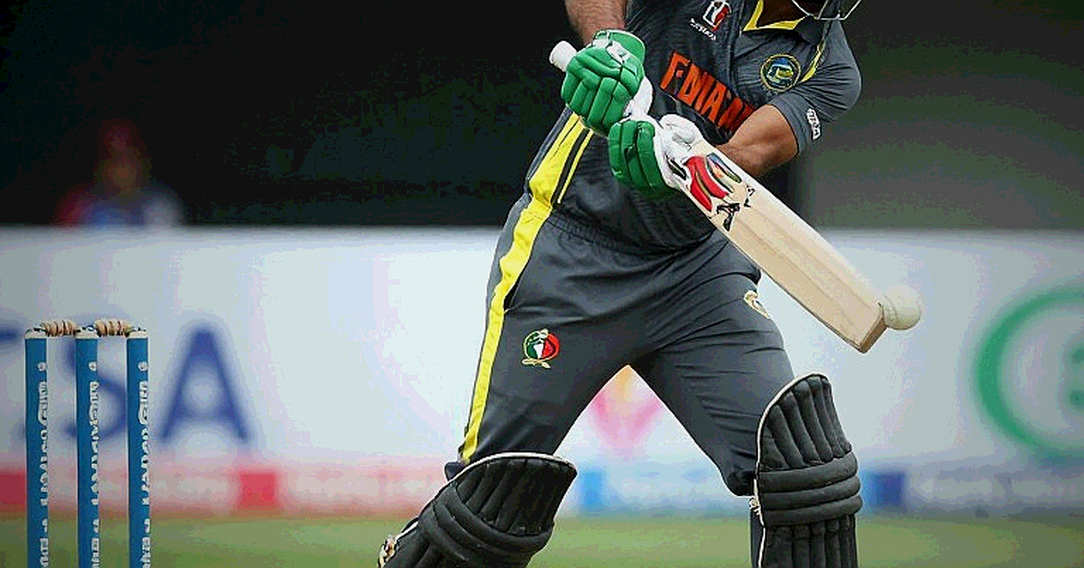
His career arithmetic belongs alongside: 159 international matches, per the source — 36 Tests, 61 ODIs, 62 T20Is. The three figures sum correctly, so the number is internally clean. But a fast bowler's career is measured in overs rather than matches, and his market life is shorter than his Test record suggests. When a player is down to his last few contract cycles, the risk of going unsold becomes a price — and a price is not a ban. The report merges the two.
Passport, board affiliation and eligibility are three separate instruments, and the text treats them as one. Citizenship is a legal status held by a person. Board affiliation is a registration held by an administrator. Eligibility is an approval held by the tournament organiser. None of them generates the others automatically. A player can hold a British passport while the ECB declines to nominate him; the ECB can nominate him while the BCCI refuses a place in the pool; both can clear and no franchise bid on December 16. Entry, eligibility, sale — three doors, three different keys. The report displays the key to the first and lets the reader assume the third was open too.
The precedent has the same weakness. Azhar Mahmood is cited — a player who found his route through county cricket as a local. That is a single case, and more than a decade old. The IPL's administrative machinery, its overseas-player caps and its board-coordination process in his era differed materially from today's. One example from over a decade ago does not prove the system was open; it proves someone once tried it. Had the report said "the route was used at least once, but its current validity is unverified," the paragraph would have been honest.
The third problem is a sentence that answers a different question. The report notes there was no guarantee of selection. That may be true, and it is not an explanation for why the form went blank. "I might not have been picked" and "I did not enter" sit on opposite sides of a decision room whose door nobody knocked on. When the only first-hand material in a story is five words long, everything else must come from documents or from inference — and here there is one document and a near-full paragraph of unscourced inference.
Now the load-bearing sentence, the least protected one in the piece: players from Pakistan have not been permitted in the IPL. Every piece of speculative arithmetic in the story rests on it, and it appears in the third paragraph, in the passive voice, without attribution. That is the point from which everything else fractures, because the question is not whether a bar exists — it is the level at which the bar operates. If it sits at the passport level, citizenship unlocks it and the Mahmood precedent becomes relevant. If it sits at the board-coordination level, changing passports changes nothing, and both BCCI clearance and ECB willingness to nominate become new gatekeepers. If it is a policy understanding rather than a written rule, a third passport does not help either. Three different worlds, separated by words like "thought" and "could have."
A factual check is also outstanding. The source labels the auction "IPL 2027" while the calendar it supplies points to a November 23 deadline and a December 16 auction. IPL auctions are held roughly two months before a season, which makes a December auction the following year's. The 2027 label does not survive that arithmetic and is most likely 2026 written one digit long. This is not a small slip: the dates set the expiry of the entire story. A second check concerns the Afghanistan Premier League draft. That league has been announced more than once with a thin record of continuous operation. If no such draft exists, half the comparative structure has nothing under it.
The real gap runs like this: the writer spent the whole piece proving "yes, entry was possible" and left "so why not" on an unfinished sentence. The structure is — he said no; he could have said yes; here is how he could have said yes; and now he is not saying yes. The final link carries repetition, not evidence.
The subject of this story is not Amir. The subject is the passport as a routing device in modern cricket, letting a player change paperwork to reach markets his body could not previously enter. He did exactly that: local status in one league, a draft entry in another, a refusal in a third — three decisions in one week, all resting on one document. Calling that a personal quirk is convenient. It is a labour-mobility story in which the richest market is the one door still shut.
There is a human beat here, and I want to leave it unexplained. The only first-hand statement in the entire report is five words. A player answers in five words when the question is either too large or too wrong. I keep a cold spreadsheet beside every warm memory: in my archive of recorded matches, Amir's new-ball length always sits on the seam line near slip, and with the older ball he retreats to the yorker. That bowler answering in five words, with nobody asking why, is the quietest part of the story.
Editorially, the largest failure is grammatical rather than factual. The headline and the lede are active voice — "has ruled out," "said he has no intention." That choice converts a structural exclusion into a private decision. A fact rooted in politics and board coordination is dressed in the language of personal autonomy. It is the most common and least policed habit in cricket writing: the door is bolted, and the report says the player chose not to walk through it. The reader concludes the choice was his, when the choice was only ever what a man standing outside a locked door has.
Three checks should precede the next version of this story. First, whether the ECB will formally nominate a player who does not play for England — nomination is an independent gate, and no board keeps its registry open for anyone. Second, what the BCCI's eligibility rule says in writing, and whether it links nationality to affiliation at any level. Third, whether the next auction pool contains any Pakistan-origin player arriving on a third-country passport. If it does, this argument expires and the question moves from eligibility to price. If it does not, the five-word answer will stand as the last word of the cycle, and we will have to accept that the door was never open.
The list on December 16 will tell us which world we are in.