
Nortje Out, Newlands Uncertain: The Real Test of South Africa's Pace Attack in the Cape Town Decider
मुख्य उत्तर: एनरिक नॉर्टजे ग़ेबेरहा टेस्ट में लगी मामूली ग्रोइन चो
Three point three overs in the first innings at Gqeberha, no wicket, and then Anrich Nortje put the ball down. A groin strain the report called mild, and he did not bowl again in that Test. What the scorecard kept is this: South Africa won by an innings and 31 runs.
From years of standing at the edge of a ground rather than in front of a television, I have learned that a fast bowler pulling up mid-spell never costs a side one wicket; it resets the field for the rest of the day. Three point three overs are no sample of a bowler's form, but they are a sample of a team's plan. I wrote that line in my notebook that evening, and it has come back into service now that South Africa have ruled Nortje out of the decider.
The series stands level at 1-1, and the third Test decides it: 27 to 31 October, Newlands, Cape Town. Five days, home soil, Australia in front of you — in a match of that shape, every small selection line becomes strategy. Apart from Nortje, the squad is unchanged; the same fifteen names that were at Gqeberha are here again.
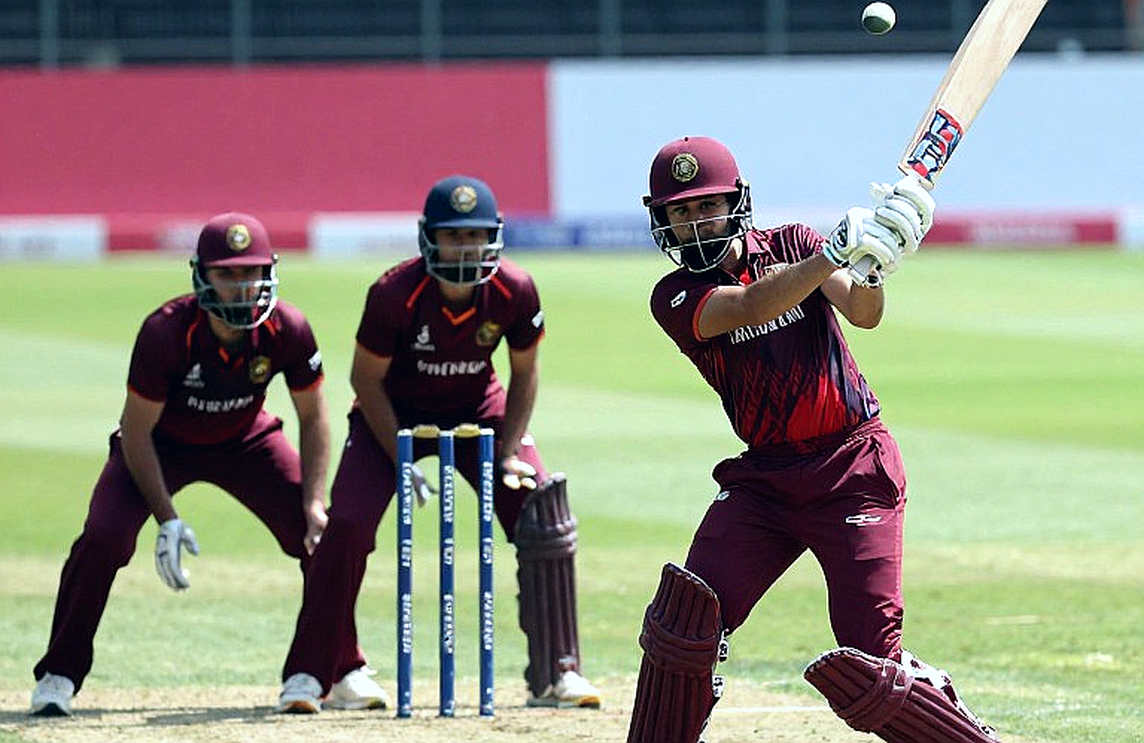
One thing sits buried inside that Gqeberha win, and it is read too quickly. Keshav Maharaj was left out there — the team that won by an innings and 31 runs did not have its most experienced spinner on the field. The squad still carries Maharaj, Simon Harmer and Senuran Muthusamy. South Africa pick their bowling by surface, not by template, and that is the largest uncertainty in this squad.
The wicketkeeping slot is just as fluid. Kyle Verreynne has been retained as the backup keeper, while Ryan Rickelton took the gloves at Gqeberha and moved down the batting order. It reads like a small item; outside the subcontinent it decides where the fifth bowler comes from.
It matters too that the available team news carries no pitch or weather report for Newlands. The ground's habit in late October is to offer bounce and seam with the new ball, with spin growing a role as the match wears on. Where there is no pitch report, the selection logic stays incomplete — and that is why reading this as "one player out, everything else the same" is the costliest mistake available.
Nortje's value was never in the wickets column. It was in the pace that changes a batter's stance. Kagiso Rabada puts the ball on the seam; Marco Jansen extracts bounce from his height; Nortje's job was different from both — a speed that pushed slip and gully deeper and kept the back foot pinned inside the crease. Not every Test attack owns that luxury, and on a bouncy surface it is the most expensive thing in the game.
Three names are in line to replace him — Corbin Bosch, Gerald Coetzee and Dane Paterson — and they are three different bowlers. Bosch is a seam-bowling all-rounder, which adds batting depth and subtracts bite from the fast attack. Coetzee is closest in profile, with pace and wicket-taking ability, but he too arrives in an all-rounder's role, so asking him for a fourth seamer's twenty overs changes the team's balance. Paterson is the most experienced swing option; he gives control and movement with the new ball, and the enforcer's role is not his. Nortje's replacement is a question of role, not of names — which is why "unchanged squad" can never mean "unchanged team".
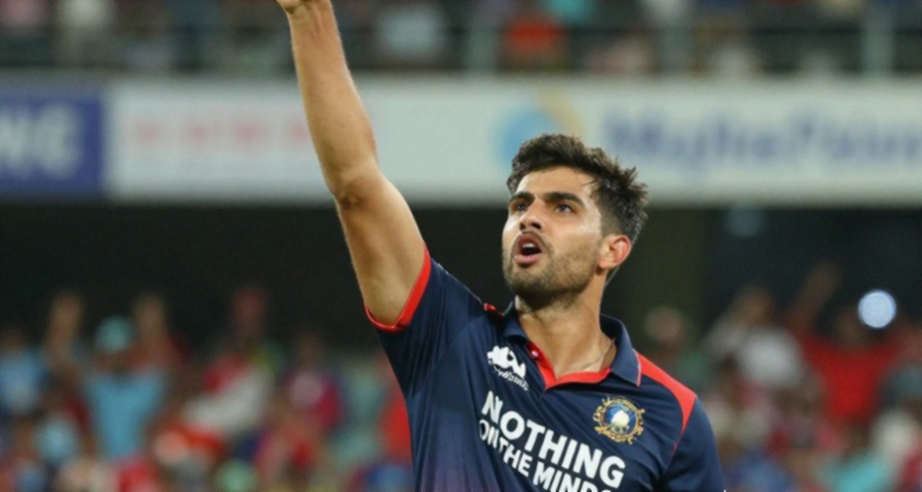
The Gqeberha victory is being treated as the strongest evidence in this debate: Nortje went down mid-match and the side still won by an innings and 31 runs. True, and it is the truth of one innings. Absorbing the workload once is capacity; assuming you can repeat it is a risk. If Newlands turns out flat and the match runs into a fourth day, the arithmetic of Rabada's and Jansen's overs reads very differently. And if the incoming quick also breaks down, Bavuma is left with one fewer option to share the load — and a Test captain's greatest asset is having something left to share.
Small samples have their own economy. The scorecard will always show "3.3 overs" against Nortje's name, and that single line hides an entire plan: which over he was rested for, which batter he was held back against, and who carried the bowling after he left. Eight runs can hide a whole boy in the scorebook, and three point three overs can hide a whole bowling plan. Writing on the domestic game taught me this much — the hardest team to make is the one on the bench that nobody photographs.
The keeper question is tied to this, not separate from it. If Rickelton keeps and bats at six or seven, South Africa can field an extra bowler. If Verreynne returns, the order shifts again and the lower-order depth has to be recalculated. The keeper's name sets the batting depth, and that depth decides whether Nortje's slot goes to a fifth bowler or a sixth batter.
There is one route that has drawn less attention. If the Newlands surface dries, the replacement for Nortje may be a spinner rather than a seamer. Maharaj and Harmer are both in the squad, and Maharaj sat out at Gqeberha, which tells you the selection panel is unafraid to reshape the attack around the surface. That would not be a like-for-like swap; it would be a change to the whole bowling structure, and the real risk for South Africa sits right there.
The team news says nothing about Australia's combination, so any comment on their XI would be guesswork. What holds is that winning a decider away from home has never been simple for Australia either, and a series sitting at 1-1 means both sides have already seen each other's weak spots.
Now the easiest reading available: the injury is mild, the squad is unchanged, so there is no crisis. It is a comfortable reading, and comfort is its weakness. An unchanged squad is not proof of continuity; it is a hedge against uncertainty — carrying three spinners and three pace successors at once means the team has not yet decided what shape it will play.
Second, treating Gqeberha as evidence is haste. The first auction taught me that a price is a story told too fast, and scorelines behave the same way. An innings-and-31 margin tells you the opposition batted badly. It does not tell you that depth has appeared in the bowling.
Third, and least written about: the cost of losing Nortje is not in the wickets column but in the shape of the first spell with the new ball. Rabada and Jansen deliver from different angles; Nortje's angle did not let Australia's openers settle. Without him, an opening pair can find rhythm, and a settled opening pair in a Test means your new ball bowler has already bowled twenty overs in the first session.
The silence around the announcement deserves a line as well. It did not say when Nortje returns, who comes in, or how wide the injury actually is. I stood outside the door long enough to learn what silence costs — silence is never neutral, it always serves somebody's need, and here the need is the team's.
Three things will be worth watching at Newlands: who takes the new ball in the first innings after the toss, who gets the second new ball, and whether Bavuma looks toward a fifth bowler after tea on day three. Those three answers will tell us whether Gqeberha was depth or accident. The question is not who replaces Nortje — the question is whether anyone does.