
The Data Revolution in Cricket: From Instinct to Algorithm
क्रिकेट में डेटा विश्लेषण का अर्थ है मैच के दौरान जुटाए गए आँकड़ों—जैसे गेंद की गति, लाइन-लेंथ, शॉट-ज़ोन, क्षेत्ररक्षण पोज़िशनिंग और खिलाड़ी की वर्कलोड—का उपयोग टीम चयन, रणनीति और चोट प्रबंधन के लिए करना। यह विश्लेषण टी20 क्रिकेट और आईपीएल जैसे टूर्नामेंट में सबसे अधिक प्रभावी रहा है, क्योंकि हर गेंद का अपना अलग संदर्भ होता है। महत्वपूर्ण बात यह है कि आँकड़े अकेले निर्णय नहीं लेते—उन्हें परिस्थिति, नमूने के आकार और विरोधी टीम के संदर्भ में पढ़ना ज़रूरी है। सही उपयोग में डेटा अनुभव का पूरक है, विकल्प नहीं।
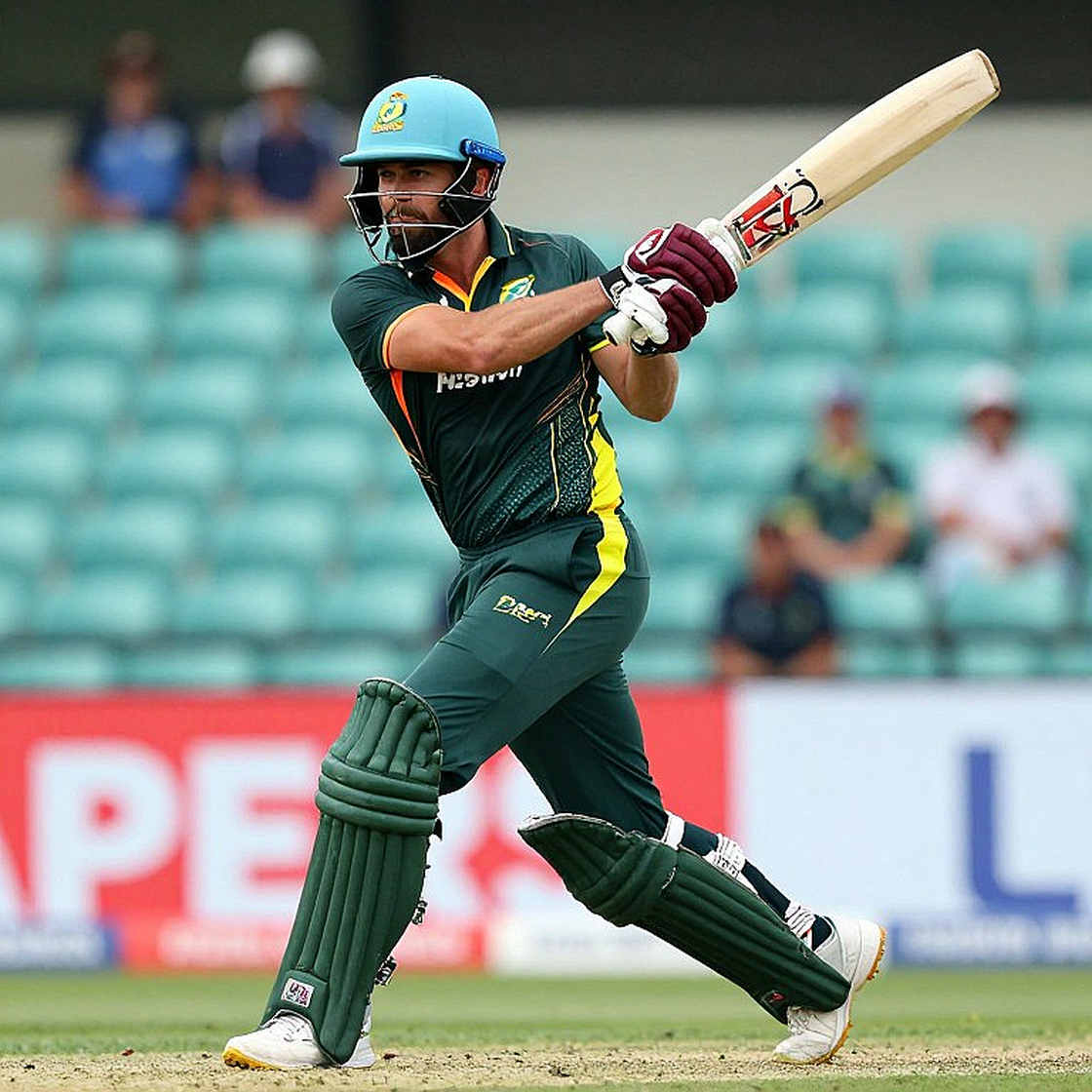
Over the past two decades, cricket has moved far beyond its traditional image. There was a time when a captain's bowling changes were driven by instinct and an in-ground sense of the game, selectors picked teams by comparing raw domestic numbers, and a coach's greatest asset was long experience. That picture has changed rapidly. Before any major match, dressing rooms now receive shot maps of batters, line-and-length profiles of bowlers, fielding placement data and weather forecasts. Cricket is no longer just a game of talent and tradition; it is also a field of information and analysis.
The roots of this shift are older than they appear. The traditional scorecard has recorded runs, wickets, averages and strike rates for decades, but for most of that time the data was used mainly for record-keeping. The real turning point came when analysts began asking how numbers could change a decision. From India's domestic structure to the county systems of England and Australia, the same question arose: can a player's utility be judged by runs and wickets alone? Out of that question came advanced metrics—context over averages, circumstance over totals, team-level contribution over individual numbers.
Technology accelerated the process. Tracking systems that record ball speed, spin direction, footwork and shot angles are now part of almost every major tournament. The data these systems gather was once used only for television graphics, but the same data now reaches coaching staffs, selection committees and team strategy rooms. Crucially, the flow is not one-directional: analysts translate events on the field into numbers, and those numbers then shape the decisions taken back on the field.
T20 cricket gave the process its fastest push. When the short format began in England, few imagined it would become the largest laboratory for data analysis. In a three-hour match, every ball, every over and every partnership carries its own distinct context. Questions like which bowler to use against which batter, and at what moment, began to demand data rather than experience. The arrival of the Indian Premier League deepened the trend further, because there every performance is captured by cameras and sensors.
Match-ups now dominate T20 thinking. A left-arm spinner's success rate against left-handed batters, or a fast bowler's economy at the death, has become a basis for selection. This is not merely about stacking statistics; it is the craft of building context. A bowler's overall economy may look fine, but if his record in the last four overs is consistently weak, analysts make it clear that he is better used with the new ball.
Fielding has changed as well. Previously, field placements were left to a captain's experience. Now shot maps show which batter plays which shot to which part of the ground off which bowler. This changes not only the field setting but the bowler's own plan—he can deliberately choose a length that keeps the batter away from his favoured zone.
Individual evaluation has shifted too. Beyond traditional average and strike rate, analysts now ask at what position, in what conditions and under what pressure a batter's runs were made. Did he score against spin in the middle overs, or against pace at the death? Did his innings genuinely improve the team's chance of winning? These finer questions have made the assessment of the game far more granular than before.
Selection has felt the impact directly. A player who piled up domestic runs once entered the conversation automatically; now the question is what kind of bowling those runs came against, in what conditions and at what stage. Can his technique handle international bowling? Does the data show any sign of mental resilience? These questions sit on selectors' desks more often than they used to.
Yet the growing dominance of data is not free of controversy. The biggest concern is that numbers are often stripped of context. The same figure means different things in different settings—a fifty on a fast pitch and a fifty on a slow turner are not equivalent, yet the scorecard records both the same way. Serious analysts therefore always state which context accompanies a number, and that is what turns a bare statistic into something alive.
A second concern is sample size. In international cricket a player gets a limited number of opportunities, and one or two extraordinary innings or a poor series can push an overall assessment in the wrong direction. Analysis therefore needs to span long periods, varied conditions and different opponents. Deciding on the basis of a single season's numbers is as risky as relying on experience alone.
A third concern is the player's mindset. When every innings is measured against a statistical yardstick, a player may begin shaping his game around external evaluation. Some experts believe this can blunt a batter's natural expression. The debate continues: does analysis sharpen talent, or does it lock it into a groove?
In workload, rest and injury management, data has produced the most practical changes. How many balls a bowler has delivered, at what intensity, and how much stress his body absorbed can all be recorded. Team managements use this to rest players, reducing injury risk across long series. The approach is considered especially important for fast bowlers, whose careers are limited in duration.
Broadcasting and the viewer experience have not been untouched either. When television shows the ball track, the batter's shot zone and the likely outcome, the viewer understands the game more deeply than before. In the age of digital platforms and social media, this analysis has become even more accessible—the viewer now reads not just the match but the data story built around it.
One basic point deserves attention throughout: data does not offer an opinion on its own. A good analyst is not the one who shows the most numbers, but the one who can explain what those numbers mean and where they fall short. In cricket, the right place for data is as an adviser, not as the decision-maker.
The road ahead is even more interesting. With real-time data, coaches can receive strategic inputs during a match itself. Biomechanics and sensor technology can identify technical flaws before they become problems. AI-based models now claim not only to analyse past performance but to predict future performance—though such claims deserve scepticism.
More important still is that the benefits of analysis be distributed fairly. Countries with larger budgets, advanced technology and teams of specialist analysts are ahead in data. Smaller cricket nations have limited access to these resources. That gap could affect the balance of the game in the years to come.
Taken together, the data revolution in cricket has made the game more nuanced, more competitive and more understandable. But it is no magic wand. Teams that read numbers alongside their context will extract the greatest benefit. Those that merely chase numbers will drift away from the easy appeal that made cricket one of the world's most popular sports.
In the end, it is fair to say that cricket's future lies in a balance between experience and analysis. Experience tells you when to take a risk; data tells you how large the risk is. Together they produce the right decision on the field—the kind a spectator remembers for years.

संबंधित खिलाड़ी
लोकप्रिय/पसंदीदा पुस्तकें
140 Up and 41 Notebooks: The Colts File Never Closed, It Only Changed Desks2026-11-07
After a 10-Wicket Win Over Nepal, India Under-19 Face Their Real Test Against Pakistan2026-11-07
Captain for Two Matches: Vaibhav Sooryavanshi, and a Decision the Scorecard Can Never Prove2026-11-07
Rashid Khan's Test Gate: Afghanistan's Medical Wall and the White-Ball Politics2026-11-06
Mahli Beardman: The 150 km/h Glare and the Dark Truth of Stress Fractures2026-11-06
The Silence of One Run: From Hyderabad 2026 to Now, What the Scoreboard Remembers2026-11-06
अनुशंसित
The Data Revolution in Cricket: From Instinct to Algorithm2026-11-02
The Blank Card: When Cricket's Data System Refused to Guess2026-10-31
Empty Stage-1 Input Halts Cricket Analysis Report: Why Findings Cannot Be Invented Without Facts2026-11-07
The DRS Clock: How a Three-Minute Wait Rewrote Cricket's Rulebook2026-11-04
New Zealand's Green Grass and India's Adaptation: Shreyas Iyer's 'Look First, Then Decide' Formula2026-10-30
अनुशंसित
Harmer's Ten Wickets and the Cape Town Murmur: When the 'Big Three' Calendar Draws Test Cricket's Line2026-11-05
Fakhar Zaman's Century, Pakistan's Title, and a Scorecard That Stops at 36.5 Overs: Where Did the Top Three's Five Runs Go?2026-11-01
Test Cricket at a Crossroads: The Format War, Franchise Pressure and Shifting Player Priorities2026-11-03
An Empty Payload in a Full Schema: The Cricket Record That Arrived Without a Match2026-10-24
No Big Headlines on Empty Data: The New Verification Standard in Sports Journalism2026-11-06